
Choosing a sea burial in Malaysia offers a calm and respectful way to return a loved one to nature. At Hong En Life, our sea burial service is designed for families seeking a meaningful alternative to traditional burials. By releasing ashes into the ocean, you honour life with a gentle farewell that reflects peace, continuity, and freedom.
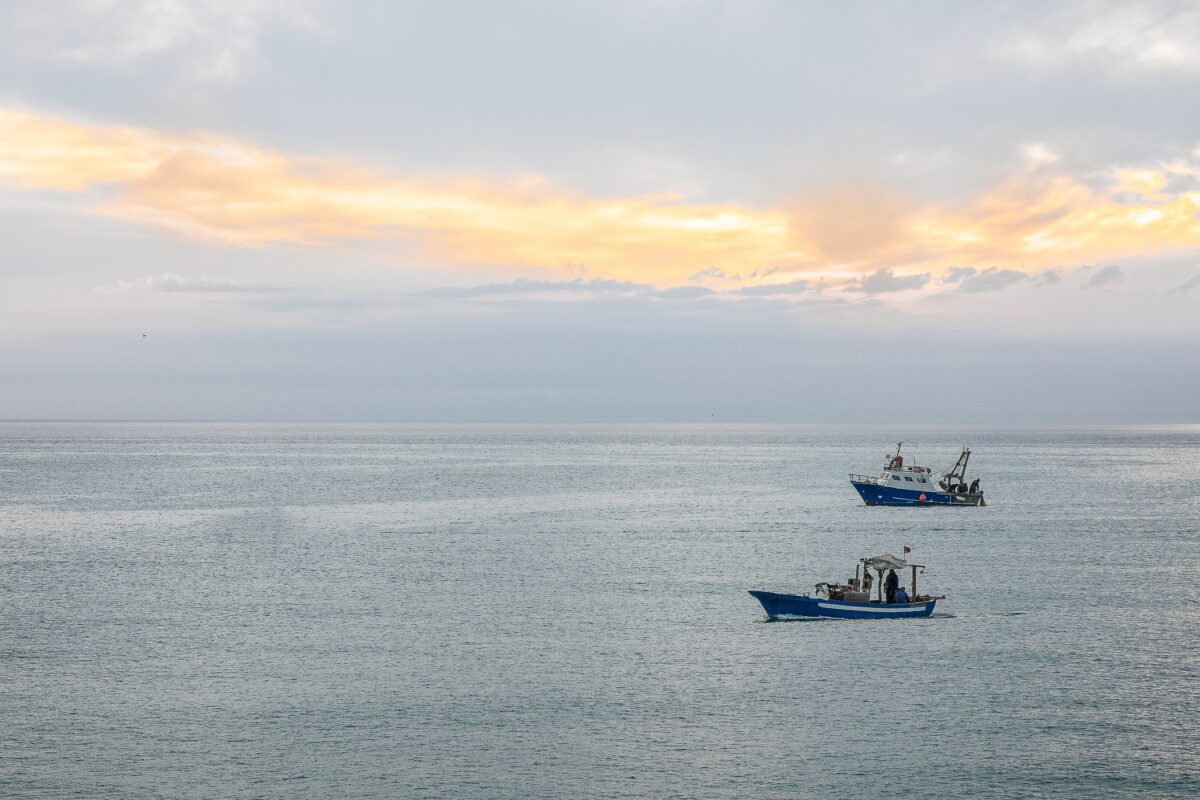
We picture the ceremony aboard a licensed vessel, surrounded by close family, as the ashes are gently scattered in Malaysian marine waters. Our team manages the entire process — from ash preparation, transportation, to regulatory compliance — ensuring you can focus on remembrance with dignity.
As you explore what a sea burial means, how we carry it out, and what options we provide, you’ll see why this modern yet respectful choice is gaining significance in Malaysia.
Choosing a sea burial in Malaysia offers a calm and respectful way to return a loved one to nature. At Hong En Life, our sea burial service is designed for families seeking a meaningful alternative to traditional burials. By releasing ashes into the ocean, you honour life with a gentle farewell that reflects peace, continuity, and freedom.
We picture the ceremony aboard a licensed vessel, surrounded by close family, as the ashes are gently scattered in Malaysian marine waters. Our team manages the entire process — from ash preparation, transportation, to regulatory compliance — ensuring you can focus on remembrance with dignity.
As you explore what a sea burial means, how we carry it out, and what options we provide, you’ll see why this modern yet respectful choice is gaining significance in Malaysia.
Biodegradable urns and environmentally responsible processes in harmony with nature.
Ashes from an approved cremation are transferred into a biodegradable urn or container and taken on a chartered vessel to an approved maritime zone.
Licensed funeral providers and vessel operators coordinate to ensure the service aligns with maritime and environmental guidelines. (See local funeral-service examples: ashes scattering by boat)
For families, the ceremony is short (typically ~30 minutes), intimate, and set against the backdrop of open water — a peaceful alternative to a gravesite.
Cultural and Religious Contexts
Malaysia’s multicultural society shapes how sea burials are understood and practiced. Among Chinese Malaysians, sea scattering aligns with beliefs in returning the body to nature, especially when cremation precedes the ceremony.
For Hindu families, the sea represents purification and release, echoing traditions of immersing ashes in rivers. Muslim Malaysians, however, generally follow Islamic burial laws that require interment in the ground, making sea burials uncommon in that community.
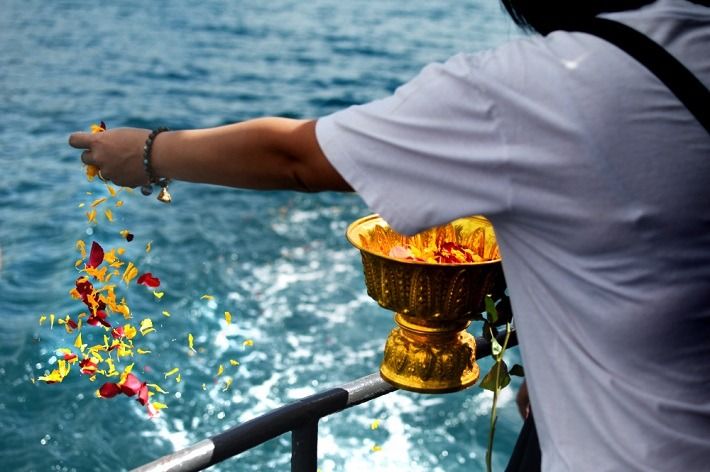
We often see families adapting rituals to respect both cultural heritage and modern practicality. Some include brief prayers or symbolic offerings before scattering, while others prefer quiet reflection. The ceremony’s tone depends on family values and faith traditions.
Biodegradable urns and environmentally responsible processes in harmony with nature.
Ashes from an approved cremation are transferred into a biodegradable urn or container and taken on a chartered vessel to an approved maritime zone.
Licensed funeral providers and vessel operators coordinate to ensure the service aligns with maritime and environmental guidelines. (See local funeral-service examples: ashes scattering by boat)
For families, the ceremony is short (typically ~30 minutes), intimate, and set against the backdrop of open water — a peaceful alternative to a gravesite.
Cultural and Religious Contexts
Malaysia’s multicultural society shapes how sea burials are understood and practiced. Among Chinese Malaysians, sea scattering aligns with beliefs in returning the body to nature, especially when cremation precedes the ceremony.
For Hindu families, the sea represents purification and release, echoing traditions of immersing ashes in rivers. Muslim Malaysians, however, generally follow Islamic burial laws that require interment in the ground, making sea burials uncommon in that community.
We often see families adapting rituals to respect both cultural heritage and modern practicality. Some include brief prayers or symbolic offerings before scattering, while others prefer quiet reflection. The ceremony’s tone depends on family values and faith traditions.
Compared to traditional burial, sea burial eliminates the need for a physical gravesite or maintenance. It offers a cost-effective and environmentally
sustainable option, especially where land is limited.
Unlike cremation alone, which ends with urn storage or columbarium placement, sea burial completes the process by returning ashes to nature.
It provides closure in a setting free from long-term upkeep.
We also note that sea burials require coordination with licensed providers and adherence to maritime safety rules. The simplicity and symbolism appeal to
families seeking a dignified, unobtrusive farewell.
Compared to traditional burial, sea burial eliminates the need for a physical gravesite or maintenance. It offers a cost-effective and environmentally
sustainable option, especially where land is limited.
Unlike cremation alone, which ends with urn storage or columbarium placement, sea burial completes the process by returning ashes to nature.
It provides closure in a setting free from long-term upkeep.
We also note that sea burials require coordination with licensed providers and adherence to maritime safety rules. The simplicity and symbolism appeal to
families seeking a dignified, unobtrusive farewell.
We follow a structured process that ensures every detail is handled respectfully and according to local regulations. Each stage—from planning to coordination—focuses on meeting the family’s wishes while maintaining safety and compliance with maritime and environmental requirements.
We begin by meeting with the family to understand their preferences and expectations. During this consultation, we discuss the type of ceremony desired, the number of attendees, and whether the service will be private or attended by close relatives.
We also review legal and logistical requirements, including permits for sea burial within Malaysian waters. This step ensures compliance with maritime authorities and environmental guidelines.
Families often ask about suitable locations such as Port Klang, Penang, or Johor, where licensed operators can conduct sea burials. We help them compare these options based on accessibility, cost, and the desired setting.
To make decisions easier, we provide a checklist:
This preparation allows the following steps to proceed smoothly and without delays.
Before a sea burial, cremation must be completed at an approved facility. We coordinate with crematoriums to ensure the process follows both legal and religious standards. The ashes are then collected and securely stored in an urn for transfer.
We advise families to prepare for the appearance of the remains, as bone fragments may be visible among the ashes. Gloves and sealed containers are recommended for handling.
Some families choose to keep a portion of the ashes for home memorials or columbarium placement. We help them plan how much to scatter at sea and how much to retain.
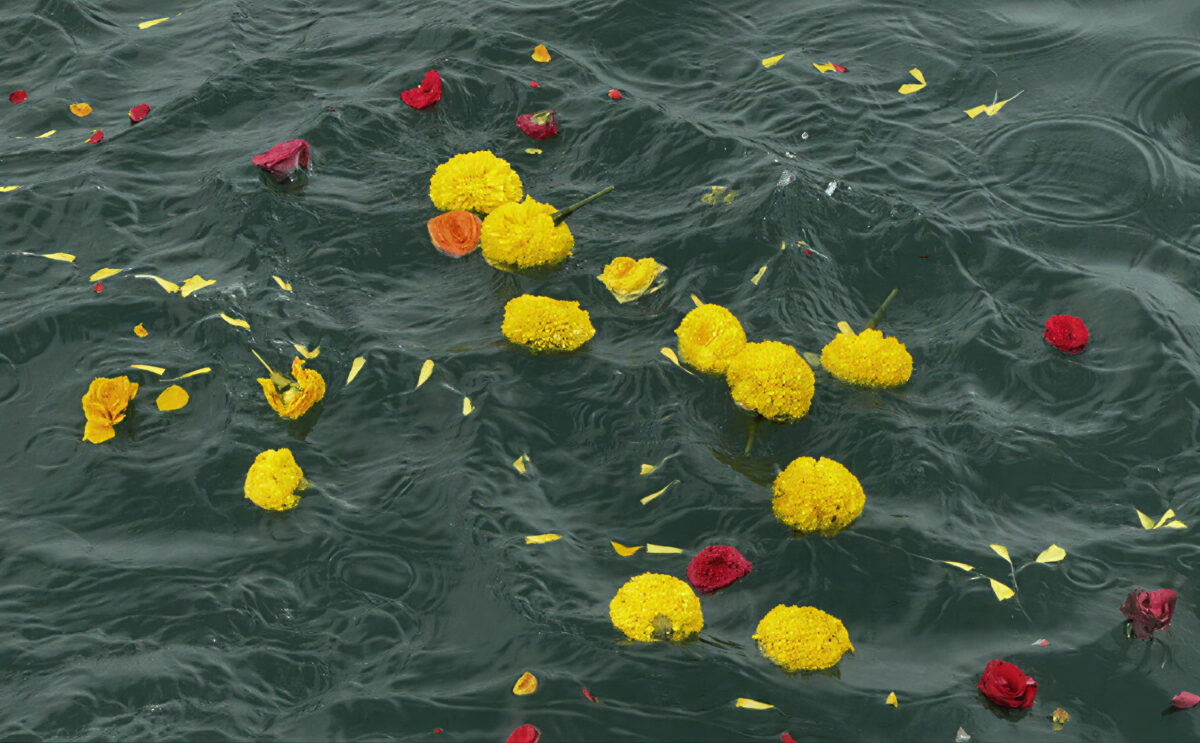
Practical considerations include checking wind direction, using biodegradable urns, and bringing fresh flowers to release with the ashes. These small steps maintain dignity and prevent discomfort during the ceremony.
We work closely with licensed funeral service providers who specialize in maritime ceremonies. Their role includes arranging the vessel, ensuring safety equipment is available, and guiding participants through the scattering process.
Our team confirms that the boat operator complies with maritime safety regulations and that weather conditions are suitable for travel. We also ensure the urn and flowers are prepared according to the family’s instructions.
Providers often offer packages that include transportation, floral arrangements, and photography. We review these details with the family so they know exactly what to expect.
By coordinating logistics and communication between all parties, we help create a respectful and organized farewell that honors the deceased’s final wishes.
We follow a structured process that ensures every detail is handled respectfully and according to local regulations. Each stage—from planning to coordination—focuses on meeting the family’s wishes while maintaining safety and compliance with maritime and environmental requirements.
We begin by meeting with the family to understand their preferences and expectations. During this consultation, we discuss the type of ceremony desired, the number of attendees, and whether the service will be private or attended by close relatives.
We also review legal and logistical requirements, including permits for sea burial within Malaysian waters. This step ensures compliance with maritime authorities and environmental guidelines.
Families often ask about suitable locations such as Port Klang, Penang, or Johor, where licensed operators can conduct sea burials. We help them compare these options based on accessibility, cost, and the desired setting.
To make decisions easier, we provide a checklist:
This preparation allows the following steps to proceed smoothly and without delays.
Before a sea burial, cremation must be completed at an approved facility. We coordinate with crematoriums to ensure the process follows both legal and religious standards. The ashes are then collected and securely stored in an urn for transfer.
We advise families to prepare for the appearance of the remains, as bone fragments may be visible among the ashes. Gloves and sealed containers are recommended for handling.
Some families choose to keep a portion of the ashes for home memorials or columbarium placement. We help them plan how much to scatter at sea and how much to retain.
Practical considerations include checking wind direction, using biodegradable urns, and bringing fresh flowers to release with the ashes. These small steps maintain dignity and prevent discomfort during the ceremony.
We work closely with licensed funeral service providers who specialize in maritime ceremonies. Their role includes arranging the vessel, ensuring safety equipment is available, and guiding participants through the scattering process.
Our team confirms that the boat operator complies with maritime safety regulations and that weather conditions are suitable for travel. We also ensure the urn and flowers are prepared according to the family’s instructions.
Providers often offer packages that include transportation, floral arrangements, and photography. We review these details with the family so they know exactly what to expect.
By coordinating logistics and communication between all parties, we help create a respectful and organized farewell that honors the deceased’s final wishes.

Although Kuala Lumpur is not a coastal city, sea burial ceremonies commonly depart from Port Klang, around 40 km from the city centre. The ceremony is typically carried out in a government-designated open sea area about one kilometre offshore, where sea conditions are generally calmer and suitable for a dignified farewell. Most arrangements are handled by licensed funeral service providers, including the boat charter, ceremony flow, and an officiant if needed. The ashes are usually placed in a biodegradable urn before being respectfully released into the sea. Estimated cost: RM3,000–RM6,000, depending on the vessel and service package.
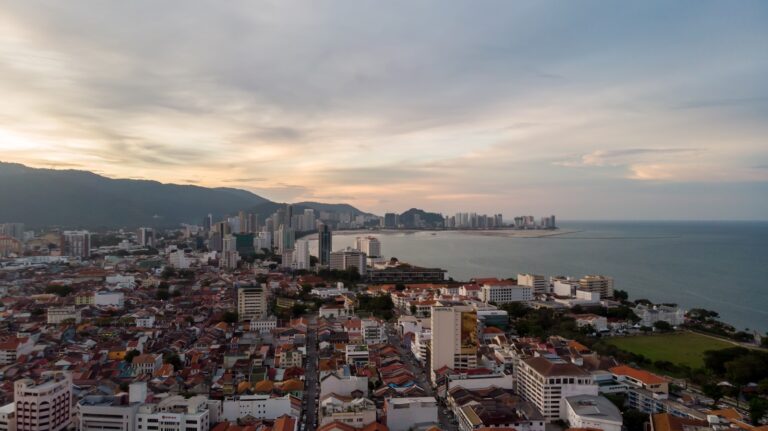
As a major northern coastal hub, Penang has a more established system for sea burial services. Common departure points include areas near George Town and the port zone around Bayan Lepas, leading to suitable sea burial areas offshore. Service providers typically ensure the ceremony follows local environmental and safety guidelines. Families can also request religious elements (such as Buddhist chanting or Christian prayers), depending on preference. Estimated cost: RM4,000–RM7,000, depending on boat size and ceremony inclusio

In Johor, sea burials are commonly arranged along coastal zones near Johor Bahru and Pontian, with ceremonies conducted in designated coastal sea areas. The travel time is often shorter, which makes Johor suitable for smaller, more private sea burial services. Many providers coordinate requirements with local maritime authorities and use certified vessels. Some services also operate from fixed departure points such as Tanjung Piai. Estimated cost: RM2,500–RM5,000, with pricing influenced by private charters and add-on services.

Although Kuala Lumpur is not a coastal city, sea burial ceremonies commonly depart from Port Klang, around 40 km from the city centre. The ceremony is typically carried out in a government-designated open sea area about one kilometre offshore, where sea conditions are generally calmer and suitable for a dignified farewell. Most arrangements are handled by licensed funeral service providers, including the boat charter, ceremony flow, and an officiant if needed. The ashes are usually placed in a biodegradable urn before being respectfully released into the sea. Estimated cost: RM3,000–RM6,000, depending on the vessel and service package.

As a major northern coastal hub, Penang has a more established system for sea burial services. Common departure points include areas near George Town and the port zone around Bayan Lepas, leading to suitable sea burial areas offshore. Service providers typically ensure the ceremony follows local environmental and safety guidelines. Families can also request religious elements (such as Buddhist chanting or Christian prayers), depending on preference. Estimated cost: RM4,000–RM7,000, depending on boat size and ceremony inclusio

In Johor, sea burials are commonly arranged along coastal zones near Johor Bahru and Pontian, with ceremonies conducted in designated coastal sea areas. The travel time is often shorter, which makes Johor suitable for smaller, more private sea burial services. Many providers coordinate requirements with local maritime authorities and use certified vessels. Some services also operate from fixed departure points such as Tanjung Piai. Estimated cost: RM2,500–RM5,000, with pricing influenced by private charters and add-on services.
Licensed and experienced in Malaysia’s sea burial regulations, ensuring every ceremony is safe, legal, and smooth.
From approvals and ash transport to the ceremony and floral setup, we handle everything with care.
Each ceremony is conducted in a calm and meaningful environment for a peaceful goodbye.
Standard and private charter options are available to suit different needs and budgets.
Clear quotations with no hidden fees, helping families plan with confidence.
Biodegradable urns and environmentally responsible processes in harmony with nature.
Licensed and experienced in Malaysia’s sea burial regulations, ensuring every ceremony is safe, legal, and smooth.
From approvals and ash transport to the ceremony and floral setup, we handle everything with care.
Each ceremony is conducted in a calm and meaningful environment for a peaceful goodbye.
Standard and private charter options are available to suit different needs and budgets.
Clear quotations with no hidden fees, helping families plan with confidence.
Biodegradable urns and environmentally responsible processes in harmony with nature.
We follow a structured process to ensure each sea burial in Malaysia complies with legal, environmental, and cultural standards. The procedure involves confirming eligibility, securing necessary permits, and arranging the respectful transfer and scattering of ashes at approved maritime locations.
In Malaysia, sea burials are permitted only for cremated remains. Families must ensure the ashes are fully processed and free from non-biodegradable materials before scattering. The Maritime and Port Authority (MPA) designates specific sites, such as 1.5 nautical miles south of Pulau Semakau, for this purpose.
We work with licensed funeral directors to confirm compliance with national and local regulations. These professionals coordinate with the Mandai Crematorium or similar facilities to manage the release of ashes.
Religious and cultural considerations also play a role. Some faiths, including certain Buddhist and Christian communities, allow sea burials, while others may restrict them. We always verify that the chosen method aligns with the family’s beliefs and the deceased’s wishes.
After cremation, the ashes are placed in a sealed, biodegradable container suitable for marine release. We coordinate with the crematorium or
Ash Collection Centre to collect the remains safely.
Families may choose to accompany the ashes or authorize the funeral service to handle the process. Transportation typically begins at
Changi Point Ferry Terminal or Marina South Pier, where a chartered vessel carries up to 12 participants.
The scattering ceremony usually lasts about 30 minutes. We ensure the ashes are released respectfully and in accordance with maritime regulations, maintaining both dignity and environmental care.
Before conducting a sea burial, families must obtain authorization from relevant authorities. This typically includes an application to the MPA and documentation from the crematorium verifying the identity of the deceased and the cremation process.
The funeral service provider assists in preparing these documents and submitting them on behalf of the family. Required forms may include:
Document Type | Issued By |
Death Certificate | National Registration Department |
Cremation Certificate | Crematorium |
Sea Scattering Permit | Maritime Port Authority |
We ensure all paperwork is complete before scheduling the ceremony to avoid delays or penalties.
We follow a structured process to ensure each sea burial in Malaysia complies with legal, environmental, and cultural standards. The procedure involves confirming eligibility, securing necessary permits, and arranging the respectful transfer and scattering of ashes at approved maritime locations.
In Malaysia, sea burials are permitted only for cremated remains. Families must ensure the ashes are fully processed and free from non-biodegradable materials before scattering. The Maritime and Port Authority (MPA) designates specific sites, such as 1.5 nautical miles south of Pulau Semakau, for this purpose.
We work with licensed funeral directors to confirm compliance with national and local regulations. These professionals coordinate with the Mandai Crematorium or similar facilities to manage the release of ashes.
Religious and cultural considerations also play a role. Some faiths, including certain Buddhist and Christian communities, allow sea burials, while others may restrict them. We always verify that the chosen method aligns with the family’s beliefs and the deceased’s wishes.
After cremation, the ashes are placed in a sealed, biodegradable container suitable for marine release. We coordinate with the crematorium or
Ash Collection Centre to collect the remains safely.
Families may choose to accompany the ashes or authorize the funeral service to handle the process. Transportation typically begins at
Changi Point Ferry Terminal or Marina South Pier, where a chartered vessel carries up to 12 participants.
The scattering ceremony usually lasts about 30 minutes. We ensure the ashes are released respectfully and in accordance with maritime regulations, maintaining both dignity and environmental care.
Before conducting a sea burial, families must obtain authorization from relevant authorities. This typically includes an application to the MPA and documentation from the crematorium verifying the identity of the deceased and the cremation process.
The funeral service provider assists in preparing these documents and submitting them on behalf of the family. Required forms may include:
Document Type | Issued By |
Death Certificate | National Registration Department |
Cremation Certificate | Crematorium |
Sea Scattering Permit | Maritime Port Authority |
We ensure all paperwork is complete before scheduling the ceremony to avoid delays or penalties.
In Buddhist practice, water represents purity, change, and the continuous flow of life. When we choose a sea burial, we acknowledge the teaching of impermanence and the natural cycle of returning to the elements. The sea becomes a symbol of release and renewal.
Many funeral services in Malaysia now accommodate Buddhist sea burials. Providers such as burialsinthesea.com and local funeral homes arrange boats, coordinate with temples, and ensure that rituals comply with both spiritual and environmental guidelines. Families may gather at sea to perform brief rites before scattering ashes.
Typical practices include:
These ceremonies often remain simple and respectful. We may invite monks to lead the chanting or recite verses ourselves. The calm of the open sea supports reflection and acceptance.
Cultural and practical considerations matter. Weather, tide conditions, and environmental regulations influence scheduling. Funeral service providers help manage these details so families can focus on the spiritual meaning rather than logistics.
By embracing sea burial within our Buddhist perspective, we honor both tradition and the natural world, allowing the final act of farewell to express peace, compassion, and respect for all living things.
In Buddhist practice, water represents purity, change, and the continuous flow of life. When we choose a sea burial, we acknowledge the teaching of impermanence and the natural cycle of returning to the elements. The sea becomes a symbol of release and renewal.
Many funeral services in Malaysia now accommodate Buddhist sea burials. Providers such as burialsinthesea.com and local funeral homes arrange boats, coordinate with temples, and ensure that rituals comply with both spiritual and environmental guidelines. Families may gather at sea to perform brief rites before scattering ashes.
Typical practices include:
These ceremonies often remain simple and respectful. We may invite monks to lead the chanting or recite verses ourselves. The calm of the open sea supports reflection and acceptance.
Cultural and practical considerations matter. Weather, tide conditions, and environmental regulations influence scheduling. Funeral service providers help manage these details so families can focus on the spiritual meaning rather than logistics.
By embracing sea burial within our Buddhist perspective, we honor both tradition and the natural world, allowing the final act of farewell to express peace, compassion, and respect for all living things.
We address the key procedural, legal, and environmental aspects of arranging a sea burial in Malaysia. Our focus is on compliance with national regulations, cost transparency, and inclusivity for families of all backgrounds.
We must comply with the Ministry of Health’s regulations and maritime laws that govern the disposal of human remains at sea. A permit is required before any ashes or remains can be released into Malaysian waters. The process also involves notifying the relevant health and port authorities before the ceremony.
We or an appointed funeral service provider must apply for authorization from the Ministry of Health. The application usually includes the death certificate, cremation documents, and a letter of consent from the next of kin. Once approved, the permit allows the transfer and scattering of ashes in designated maritime zones.
Designated sites are typically located off the coast near major ports such as Port Klang and Penang, where maritime authorities can monitor the activity. Some licensed funeral providers also coordinate sea burials from ferry terminals near Changi or Johor, depending on weather and tidal conditions.
We can expect the cost to range from RM2,000 to RM10,000, depending on the vessel type, number of attendees, and service inclusions. Smaller ash-scattering ceremonies cost less, while private yacht charters with ceremonial arrangements are priced higher. Additional fees may apply for permits, floral tributes, and administrative processing.
We must ensure that only biodegradable materials, such as dissolvable urns or natural shrouds, are used. Ashes or remains must be released at a safe distance from the shore to prevent contamination and comply with marine protection guidelines. Scattering should occur under calm weather conditions to minimize environmental disturbance.
Yes. Non-Muslims, including foreigners and permanent residents, may arrange a sea burial through licensed funeral operators. The procedure follows civil and maritime regulations rather than religious law. Families usually participate in a short ceremony before the ashes are respectfully released into the sea.
We address the key procedural, legal, and environmental aspects of arranging a sea burial in Malaysia. Our focus is on compliance with national regulations, cost transparency, and inclusivity for families of all backgrounds.
We must comply with the Ministry of Health’s regulations and maritime laws that govern the disposal of human remains at sea. A permit is required before any ashes or remains can be released into Malaysian waters. The process also involves notifying the relevant health and port authorities before the ceremony.
We or an appointed funeral service provider must apply for authorization from the Ministry of Health. The application usually includes the death certificate, cremation documents, and a letter of consent from the next of kin. Once approved, the permit allows the transfer and scattering of ashes in designated maritime zones.
Designated sites are typically located off the coast near major ports such as Port Klang and Penang, where maritime authorities can monitor the activity. Some licensed funeral providers also coordinate sea burials from ferry terminals near Changi or Johor, depending on weather and tidal conditions.
We can expect the cost to range from RM2,000 to RM10,000, depending on the vessel type, number of attendees, and service inclusions. Smaller ash-scattering ceremonies cost less, while private yacht charters with ceremonial arrangements are priced higher. Additional fees may apply for permits, floral tributes, and administrative processing.
We must ensure that only biodegradable materials, such as dissolvable urns or natural shrouds, are used. Ashes or remains must be released at a safe distance from the shore to prevent contamination and comply with marine protection guidelines. Scattering should occur under calm weather conditions to minimize environmental disturbance.
Yes. Non-Muslims, including foreigners and permanent residents, may arrange a sea burial through licensed funeral operators. The procedure follows civil and maritime regulations rather than religious law. Families usually participate in a short ceremony before the ashes are respectfully released into the sea.
每一次人生的告别都值得被用心对待。若您正面对亲人离去的时刻,或对仪式有任何疑问与需要,我们愿意静静聆听,耐心解答。请放心与我们联系,让我们陪您走过这一段最不容易的路。
017-808 2616
No. 8, Jalan 14/142,
Taman Orkid,
56000 Cheras,
Kuala Lumpur, Malaysia.